

RO, UV, or UF: How to Choose the Right Water Purifier for Your Home
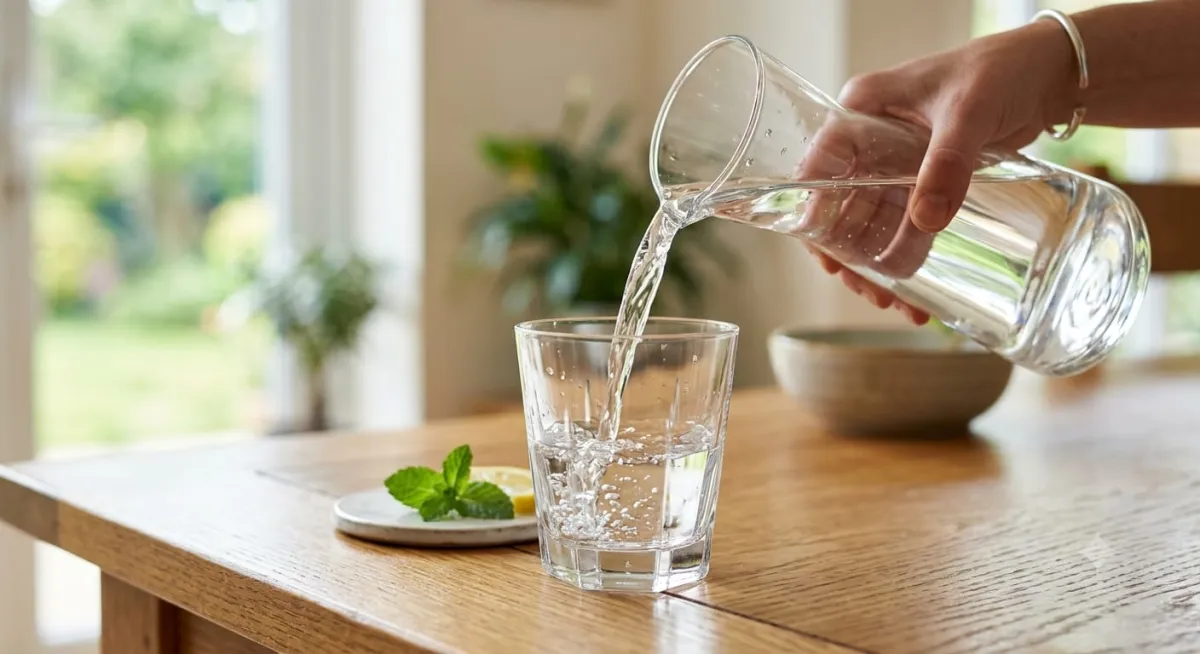
Buying a water purifier today can feel like a science test. When you start exploring the market, you are immediately bombarded with acronyms like RO, UV, and UF. But what do these letters actually mean, and more importantly, which one does your family really need?
Understanding your water source is the first step to safe drinking water. In this guide, we break down these technologies in plain English so you can make an informed decision for your home.
1. Reverse Osmosis (RO): The Heavy-Duty Purifier

Reverse Osmosis is the most popular and powerful purification technology. It uses a semi-permeable membrane to force water through tiny pores. These pores are so microscopic that they trap heavy metals (like arsenic and lead), dissolved salts, and even harmful chemicals.
When should you choose RO? If your tap water tastes salty, leaves white stains on your utensils, or if you rely on deep tube-well water, an RO purifier is your best defense.
2. Ultraviolet (UV) Purification: The Germ Killer
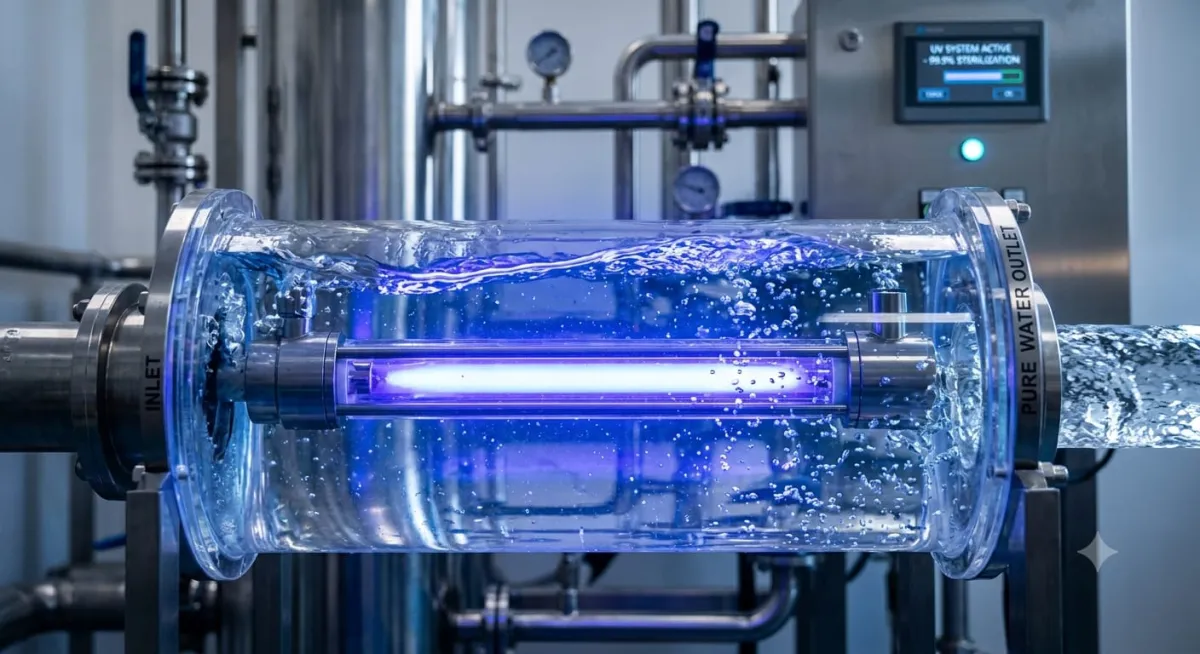
A UV purifier works much like sunlight, but it’s concentrated. It uses a high-power Ultraviolet lamp to deactivate the DNA of harmful bacteria, viruses, and cysts present in the water, making them harmless. However, UV does not remove dissolved impurities or heavy metals.
When should you choose UV? If your water is already soft (TDS below 200) and clear, but you are worried about waterborne diseases like typhoid or cholera.
3. Ultrafiltration (UF): The Electricity-Free Guard
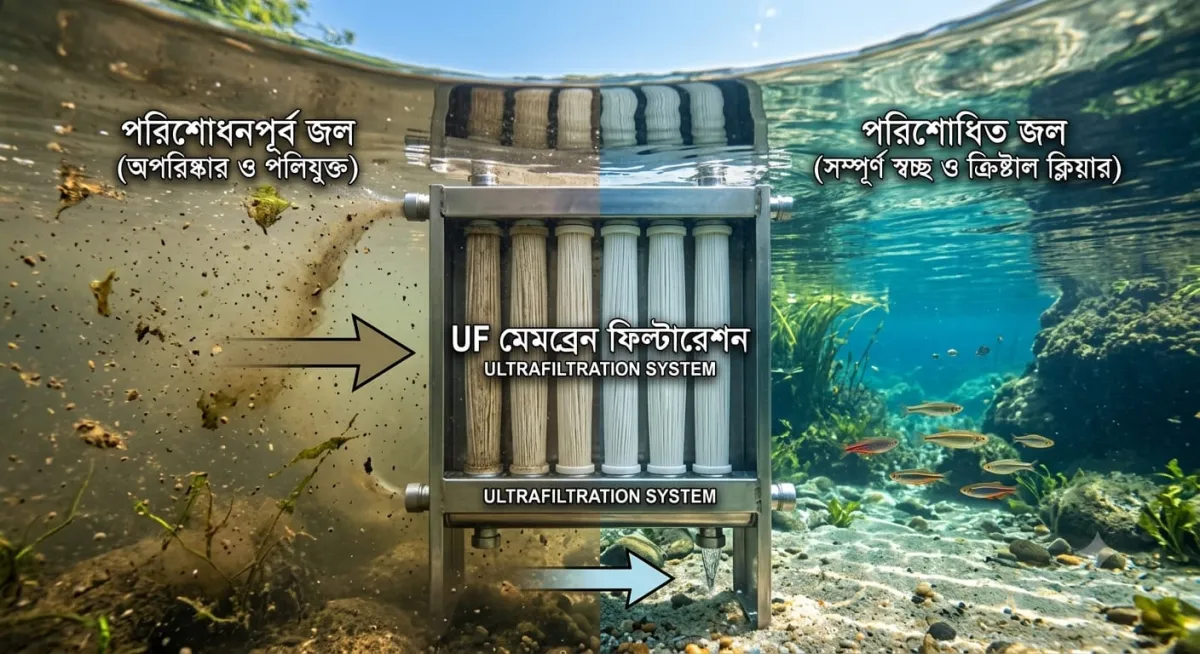
UF technology uses a hollow fiber membrane. Think of it as a super-fine sieve that blocks all physical impurities, including mud, sand, and even some bacteria and cysts. The biggest advantage of UF is that it works entirely without electricity and does not waste any water.
When should you choose UF? If your water has low TDS but often looks cloudy or muddy, a UF filter will clarify it perfectly without needing a power connection.
Quick Comparison Guide
| Feature | RO (Reverse Osmosis) | UV (Ultraviolet) | UF (Ultrafiltration) |
|---|---|---|---|
| Removes Dissolved Salts (TDS) | Yes | No | No |
| Kills/Removes Bacteria & Viruses | Yes | Yes | Yes |
| Needs Electricity? | Yes | Yes | No |
| Best Water Source | Borewell / Hard Water | City Supply (Soft Water) | Cloudy Supply Water |
The Final Verdict
There is no "one-size-fits-all" water purifier. The best choice depends entirely on the water quality coming out of your tap. In many parts of Bangladesh, a multi-stage purifier that combines RO + UV + UF (such as the advanced models in the Puro+ series) is highly recommended to tackle both dissolved impurities and microbiological threats simultaneously.
Ready to Secure Pure Drinking Water?
At Aqua Point BD, we provide the safest drinking water solutions, tailored specifically to your home's water quality. Let our expert technicians analyze your water and install the perfect purifier today.
Explore Products at Aqua Point BD