

What is Required to Set Up a Commercial Battery Water Plant? (Complete Checklist)
To ensure the longevity of industrial equipment, IPS, solar systems, and vehicle batteries, there is no alternative to pure battery water or DM (Demineralized) water. Due to this growing demand, setting up a commercial battery water plant is currently a highly promising and profitable business venture.
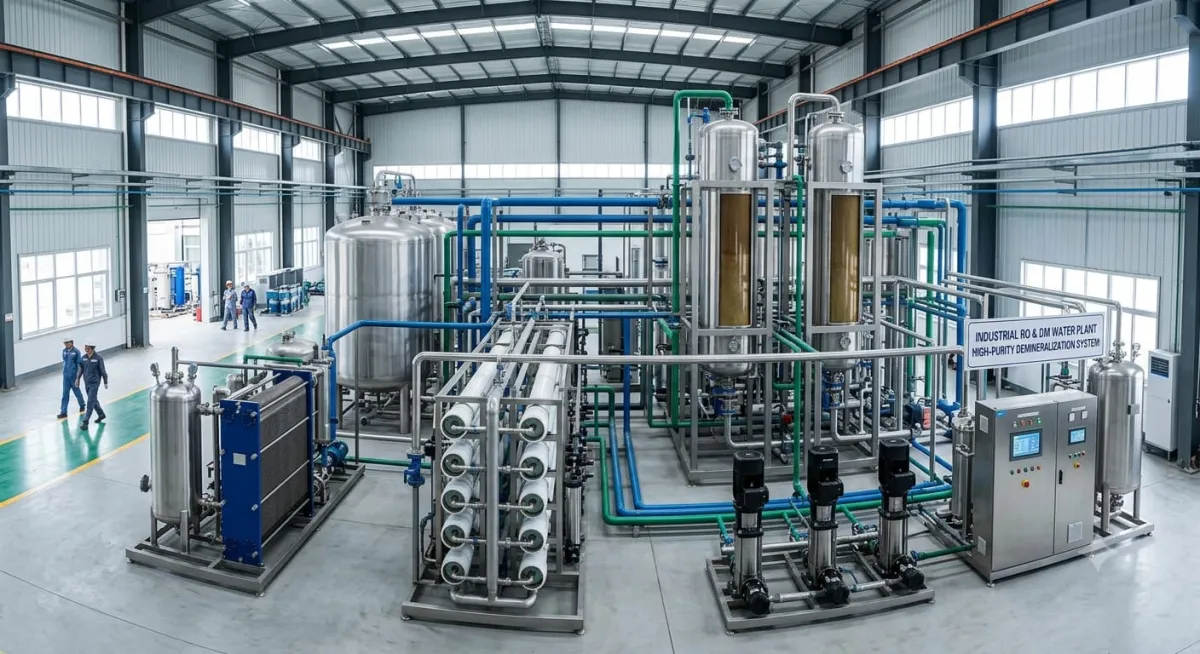
If you are interested in establishing a new plant, here is a professional checklist covering the necessary setup, machinery, and estimated investment:
1. Required Machinery (RO + DM Plant)
The primary condition for battery water is that it must not contain any minerals or ions. For this, a modern water treatment system is absolutely essential.
- Reverse Osmosis (RO) Plant: This removes primary dirt, excess iron, and other solid particles from the raw water.
- De-mineralization (DM) Plant: This brings the water's electrical conductivity down to zero, which is the ideal state for batteries.
- Micron Filter & UV System: These secondary filtration systems ensure the maximum purity of the final product.
2. Raw Water and Product Water Tanks
Choosing the right size tank based on the plant's production capacity is crucial for smooth operations.
- Raw Water Tank: A 1,000 to 2,000-liter food-grade plastic tank is required to store the source water (from a deep tube well or municipal supply).
- Product Tank: A separate Stainless Steel (SS) or high-quality PVC tank must be designated to store the processed, pure DM water.
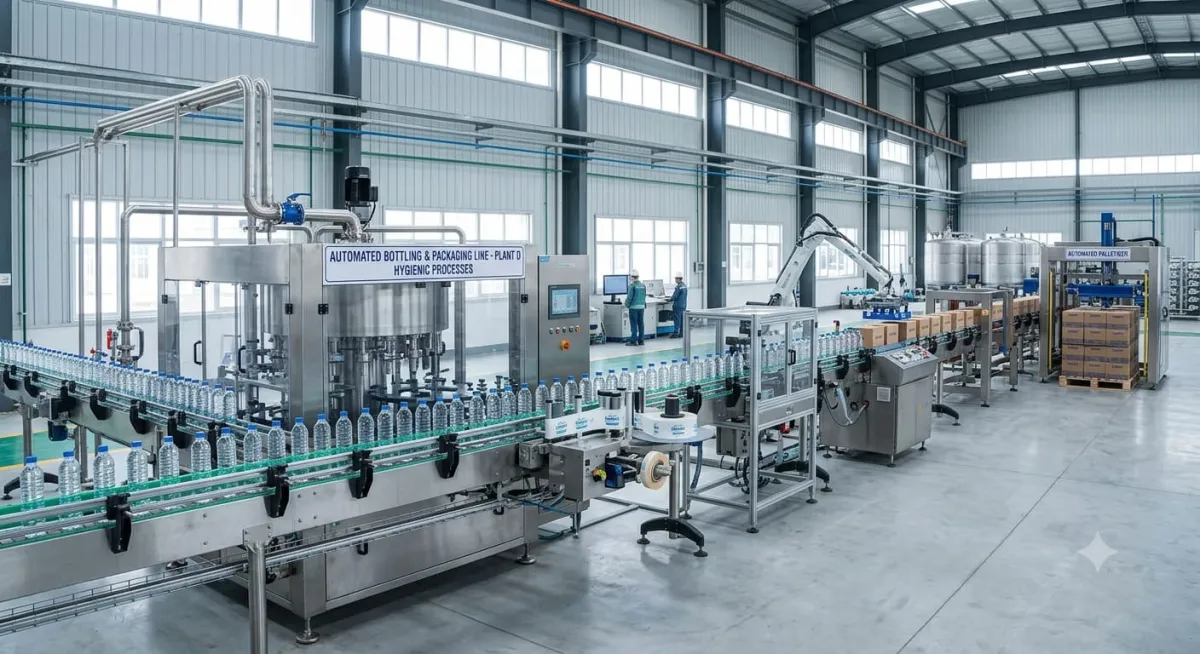
3. Filling & Packaging System
To market the prepared water commercially, a standard and hygienic packaging process must be in place.
- Bottling Machine: Manual or semi-automatic filling machines are needed to efficiently fill 1-liter to 5-liter jars and bottles.
- Capping & Sealing Machine: To properly and securely seal the bottle caps.
- Batch Coding Machine: Essential for printing the manufacturing date, expiry date, and batch number on the product labels.
4. Space Requirements
The required floor space depends entirely on the capacity of the plant. However, a standard commercial plant (500 - 1,000 Liters/Hour) typically requires 800 to 1,200 square feet of space. This footprint includes the machine setup, raw material storage, and finished product storage. The facility floor must be paved and equipped with an efficient water drainage system.
5. Initial Investment Overview
Depending on the machinery, capacity, and level of automation, an estimated initial investment of 3,00,000 to 8,00,000 BDT (or more) may be required.
*Please note: The cost of factory space advance or shed construction is not included in this estimate.Conclusion
A commercial battery water plant is a highly lucrative long-term investment. Utilizing quality raw materials, correctly sized RO & DM plants, and maintaining an efficient setup will keep your business ahead in a competitive market. Taking the assistance of a professional engineering team like Zontech International for your plant design and layout is the smartest decision to ensure flawless execution.